





Surgical Solutions for Brachycephalic Airway Syndrome
Typical cost at Beyond Pets: Combined BOAS procedure: $1,560.23–$1,692.23.
Assessment, estimate and preparation
The team will assess whether the procedure is appropriate here or whether referral is needed. Call 770-971-1556 to discuss an assessment. Bring relevant records and medication details.
Review the condition, procedure and recovery guidance below. The treating veterinarian will provide your individual preparation, activity and recheck instructions. Recovery ranges are guidance, not a promised outcome. View veterinary prices.
Plan for the cost of care.
Prices are subject to change; the final estimate is provided at the exam. We’ll discuss the recommended care and your estimate before treatment.
Combined nares wedge resection and staphylectomy/BOAS
$1,560.23–$1,692.23
both procedures performed together. Includes: preoperative testing, anesthesia and monitoring, routine medications, procedure-appropriate routine pathology, routine rechecks. Please note: the final client estimate is examination-dependent.
Patient needs, case complexity, additional diagnostics or treatment, and complications can change the estimate. A typical range is not a complication ceiling.
Explore all veterinary prices · Payment options
How is the final cost determined?
Combined BOAS procedure: $1,560.23–$1,692.23. Prices are subject to change; the final estimate is provided at the exam. Patient needs, case complexity, additional diagnostics or treatment, and complications can change the estimate. Review payment options before treatment.
How will my pet’s recovery be planned?
Recovery timing depends on your pet and the procedure. Your veterinarian will explain the home-care, activity and recheck plan for your pet; follow that individual plan rather than a fixed return-to-activity date.

Brachycephalic Syndrome
Breathing Issues in Flat-Faced Dogs
If your dog has a short nose and flat face, it might be prone to brachycephalic syndrome, a serious condition that affects breathing. Watch for symptoms like noisy breathing, snorting, or sudden fatigue during activities. Regular vet check-ups and weight management can help improve your pet’s quality of life. Surgical options, such as BOAS, could be necessary depending on the severity. Keep a cool, calm environment to ease breathing. Find out what else you can do for your pet’s well-being.


Caring for Brachycephalic Breeds
Understanding Brachycephalic Syndrome
Brachycephalic syndrome is a condition that affects certain dog breeds, such as bulldogs and pugs, that have characteristically short noses and flat faces.
When caring for a dog with this condition, it is essential to understand the complexities of brachycephalic airway obstruction. This condition occurs when the anatomical structure of your dog’s airways is compromised, leading to breathing difficulties.
You might notice your furry friend struggling with noisy breathing, snorting, or even shortness of breath during exercise. These symptoms can affect their quality of life, and your compassionate care can make a huge difference.
As a part of a community that loves and cherishes these unique breeds, recognizing these signs early allows you to seek veterinary guidance and support your pet’s well-being.
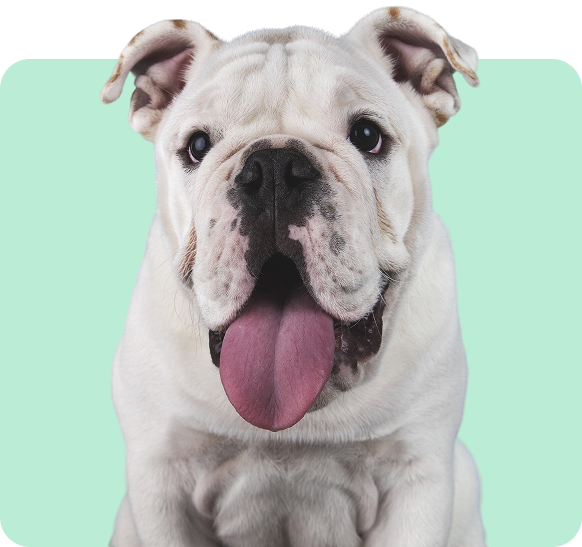
Common Breeds Affected
Certain dog breeds with distinctive facial structures are more prone to brachycephalic syndrome
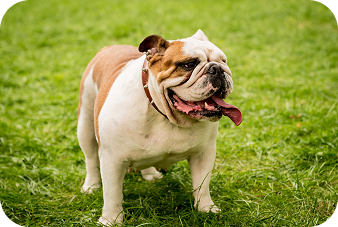
Bulldog
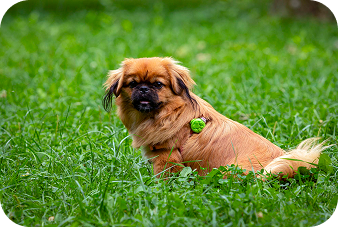
Pug
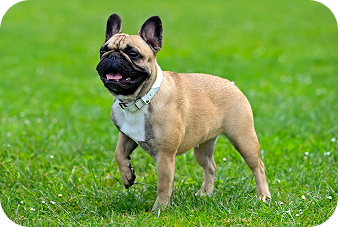
French Bulldog
Shih Tzu
Due to their distinctive facial structures, several beloved dog breeds are more prone to developing brachycephalic syndrome.
If you’ve got a Bulldog, Pug, French Bulldog, or Shih Tzu, you’re part of a special group of pet owners whose dogs are at a higher risk.
With their charmingly squished faces, these breeds are known for their affectionate nature. However, due to their anatomy, they may face breathing challenges.
It’s essential to be aware of potential health issues they might encounter.
In Marietta, brachycephalic surgery is a standard procedure to alleviate these problems
Symptoms and Diagnosis
Spot the signs early to protect your pet’s health
Recognizing the symptoms of brachycephalic syndrome early is crucial to helping your pet receive the necessary care. Common signs include noisy breathing, snoring, and difficulty exercising.
You might notice your dog coughing, gagging, or fainting during physical activity. These symptoms can be distressing, but understanding them is a step toward finding solutions for your beloved companion.
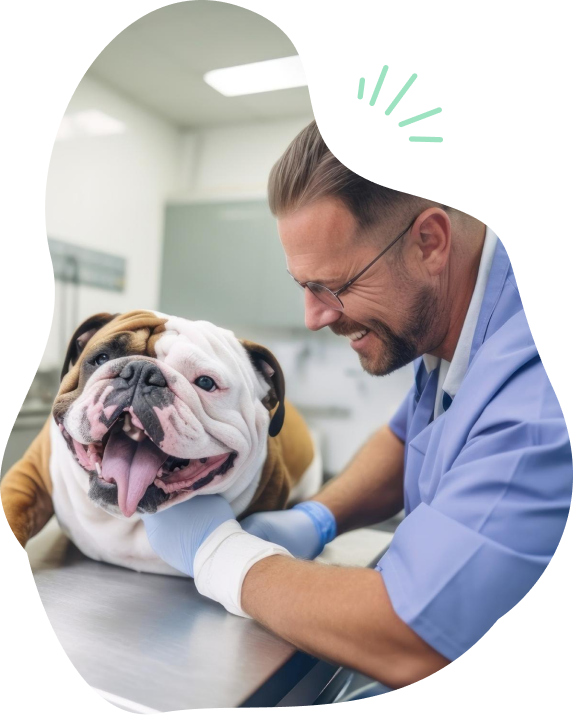
Diagnosis often involves a thorough examination by a veterinarian familiar with brachycephalic syndrome. They’ll assess the severity of your dog’s condition and discuss the possibility of BOAS surgery.
This surgery can significantly improve your dog’s quality of life by alleviating breathing difficulties. Remember, you’re not alone in this jo urney; many pet owners face similar challenges and find comfort in shared experiences.


Treatment Options
Help your pet breathe easier with the right care
Understanding the symptoms and diagnosis is the beginning; finding the right treatment options for brachycephalic syndrome is your next step.
When it comes to your beloved pet, you want them to breathe easier and live comfortably. Treatment options vary based on severity, but here are some common approaches:

Surgical Intervention
Procedures like stenotic nares surgery can improve airflow. The cost of surgery varies by location and facility.
Weight Management
Maintaining a healthy weight reduces respiratory strain.
Lifestyle Adjustments
Avoiding heat and stress can minimize symptoms.
Discuss these options with your veterinarian to create a tailored plan.
Preventive Measures and Care
Proactive care can make a big difference
Though brachycephalic syndrome can pose significant challenges, preventive measures and proper care can help your pet.
Regular veterinary check-ups are essential in monitoring for early signs of respiratory distress. Keeping your pet at a healthy weight reduces strain on their airways, and providing a cool, calm environment helps minimize breathing difficulties.
If your vet recommends it, elongated soft palate surgery can alleviate airway obstruction and improve quality of life. Open communication with your vet helps you prepare with the best care strategies.
The Best Facilities are Here
Schedule an Appointment
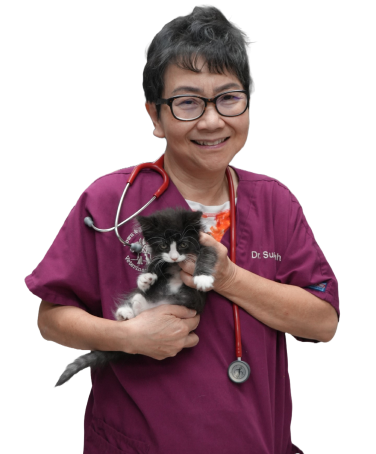
Let our highly trained and experienced team of veterinarians and veterinary technicians help you keep your pet as happy and healthy as they can be.