


Inguinal & Umbilical Hernia Repair for Pets
Typical cost at Beyond Pets: Umbilical hernia: $200.00–$300.00 add-on; Inguinal hernia: $300.00–$600.00 add-on. Additional to the spay or neuter estimate; not the total surgery price.
Assessment, estimate and preparation
The team will assess whether the procedure is appropriate here or whether referral is needed. Call 770-971-1556 to discuss an assessment. Bring relevant records and medication details.
Review the condition, procedure and recovery guidance below. The treating veterinarian will provide your individual preparation, activity and recheck instructions. Recovery ranges are guidance, not a promised outcome. View veterinary prices.
Plan for the cost of care.
Prices are subject to change; the final estimate is provided at the exam. We’ll discuss the recommended care and your estimate before treatment.
Umbilical hernia with spay/neuter
$200.00–$300.00 add-on
add-on to a spay or neuter estimate. Additional to the spay or neuter estimate; not the total surgery price. Includes: preoperative testing, anesthesia and monitoring, routine medications, procedure-appropriate routine pathology, routine rechecks. Please note: the final client estimate is examination-dependent.
Inguinal hernia with spay/neuter
$300.00–$600.00 add-on
add-on to a spay or neuter estimate. Additional to the spay or neuter estimate; not the total surgery price. Includes: preoperative testing, anesthesia and monitoring, routine medications, procedure-appropriate routine pathology, routine rechecks. Please note: the final client estimate is examination-dependent.
Patient needs, case complexity, additional diagnostics or treatment, and complications can change the estimate. A typical range is not a complication ceiling.
Explore all veterinary prices · Payment options
How is the final cost determined?
Umbilical hernia: $200.00–$300.00 add-on; Inguinal hernia: $300.00–$600.00 add-on. Additional to the spay or neuter estimate; not the total surgery price. Prices are subject to change; the final estimate is provided at the exam. Patient needs, case complexity, additional diagnostics or treatment, and complications can change the estimate. Review payment options before treatment.
How will my pet’s recovery be planned?
Recovery timing depends on your pet and the procedure. Your veterinarian will explain the home-care, activity and recheck plan for your pet; follow that individual plan rather than a fixed return-to-activity date.

Timely Treatment for a Healthier Pet
Hernia in Pets: Causes & Care
Inguinal and umbilical hernias occur in pets when an organ pushes through a weak spot in the muscle wall. Lumps recognize them and can cause discomfort or more severe symptoms, like vomiting. Small breeds may be prone to umbilical hernias, while inguinal ones require delicate treatment. Post-surgery, careful monitoring of your pet’s recovery is essential. Discover more about managing these conditions to support your pet’s health and comfort.


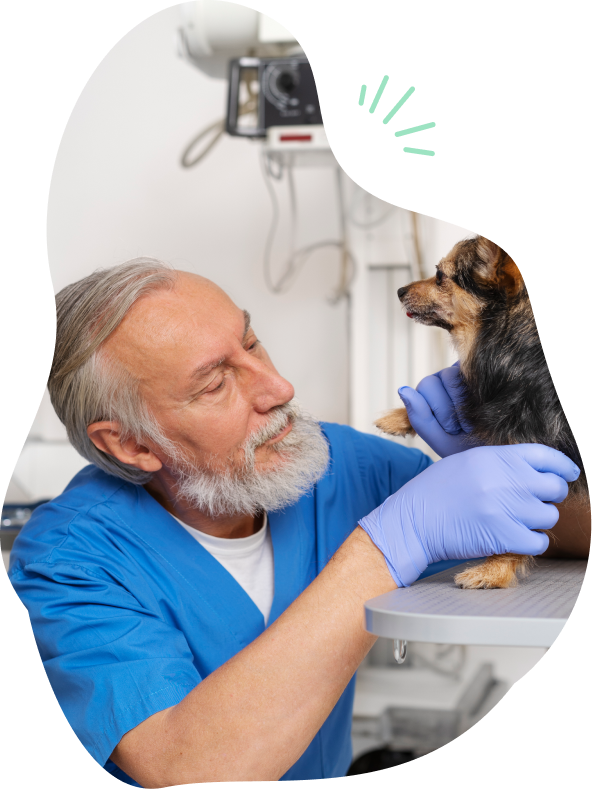
A Brief Overview
Understanding Hernias
Understanding hernias is essential for pet owners who want to support the well-being of their furry companions. Hernias occur when an organ or tissue pushes through a weak spot in the surrounding muscle or tissue wall.
In puppies, umbilical hernia surgery is often required to correct a protrusion near the belly button. This condition can be congenital or develop shortly after birth.
Meanwhile, cats can experience inguinal hernias requiring specialized treatment to support comfort and safety.
Early Detection for a Healthier, Happier Pet
Symptoms and Diagnosis of Hernias

As you seek to guarantee the best care for your pet, recognizing the symptoms of hernias is an essential step.
By understanding these signs, you’re taking a proactive role in your pet’s health and well-being. Common symptoms include:
- Protrusions or lumps in the abdomen or groin area.
- Signs of discomfort, such as whining or reluctance to move.
- Vomiting or loss of appetite may indicate a more serious issue.
- Changes in behavior, like increased lethargy or restlessness.
- Difficulty breathing if the hernia affects the diaphragm.
Early diagnosis is vital for effective dog hernia repair in Marietta or abdominal hernia repair for pets.
Consulting your veterinarian helps you plan appropriate care for your pet, fostering a sense of belonging for you and your pet.

Gentle Healing Ahead
Inguinal Hernia: Specifics and Treatment Options

Though it may seem intimidating, recognizing and treating an inguinal hernia in your pet is essential for their well-being. This common condition occurs when tissue, like part of the intestine, protrudes through a weakened spot in the inguinal canal.
As a caring pet owner, understanding the specifics can empower you to make informed decisions about your furry friend’s health. Symptoms to watch for include swelling near the groin, pain, and possible digestive issues. Surgery is often recommended; your veterinarian will guide you through this process with compassion and expertise.
Here’s what you can expect in the treatment journey:
- Diagnosis through physical examination and imaging
- Discussion of surgical options
- Post-operative care instructions
- Regular follow-up visits
- Guidance on preventing recurrence
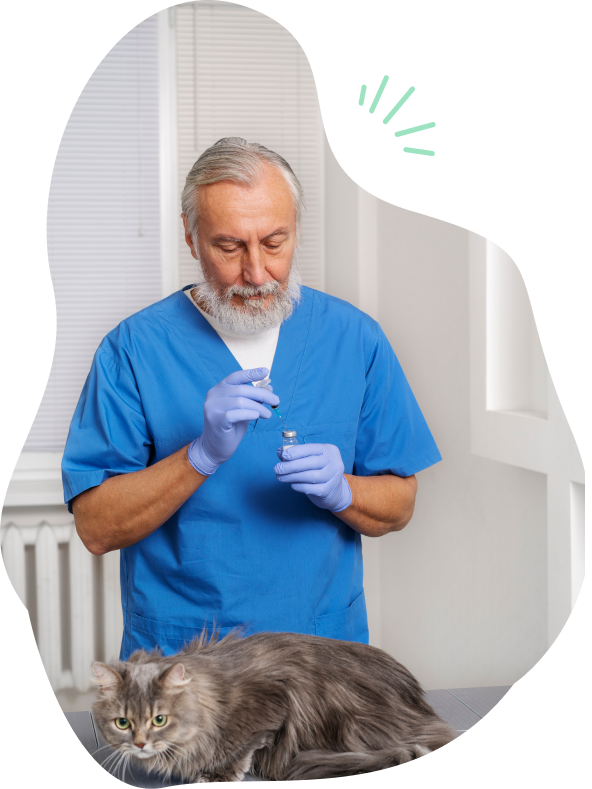
What Causes Hernias?
Causes and Risk Factors
While hernias in pets might seem sudden, they’re often the result of a combination of factors. As a pet owner, it’s essential to understand that genetic predispositions and environmental influences play roles.
Some breeds are more prone to hernias due to inherited traits. Certain small dog breeds, for instance, may be more susceptible to umbilical hernias. Additionally, factors like obesity or physical trauma can increase the risk.
Your pet needs to maintain a balanced diet and regular exercise regimen. Age can also be a factor, as older pets may experience weakened muscles.
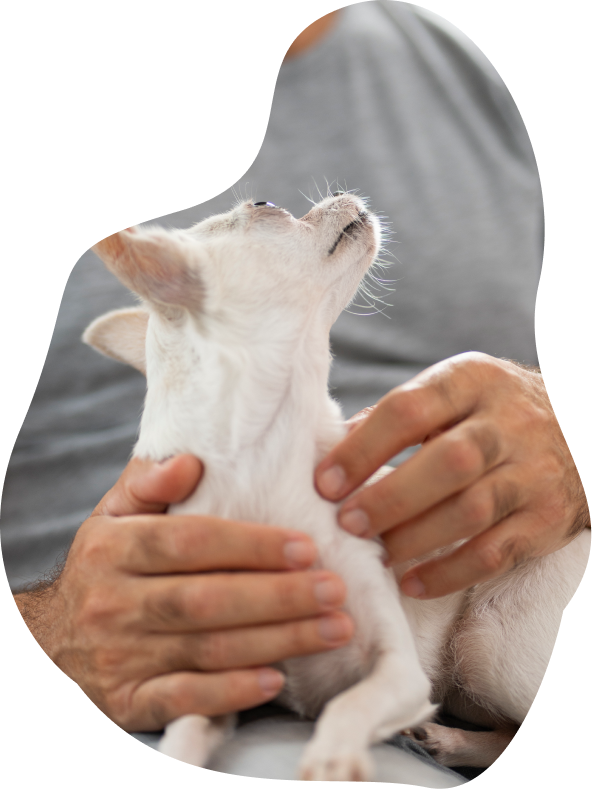
Understanding Umbilical Hernias
Umbilical Hernia: Specifics and Treatment Options
Recognizing hernias in pets is vital for their health. Just as inguinal hernias require attention, umbilical hernias demand knowledge and proactive care.
An umbilical hernia is a soft bulge near your pet’s belly button, often discovered while snuggling or grooming. It’s important to understand that these hernias can vary in severity. Some may resolve naturally, especially in young animals, while others might require surgical intervention to prevent complications like strangulation.
The first step is to consult your vet. They’ll assess whether watchful waiting or surgery is the best option for your pet.
Smooth Recovery Tips
Post-Surgical Care and Recovery
After addressing the surgical correction of hernias, it is essential to focus on the post-surgical care and recovery process to support your pet’s healing.
Ensure a comfortable, quiet space for your pet to rest, minimizing activity to prevent strain on the surgical site.
Administer prescribed pain medications and antibiotics as your veterinarian directs to combat discomfort and infection risks.
Monitor the incision daily for signs of redness, swelling, or discharge, and contact your vet if any concerns arise.
A balanced diet incorporating fiber supplements can aid in smooth bowel movements, reducing pressure on the healing area.
The Best Facilities are Here
Schedule an Appointment
Let our highly trained and experienced team of veterinarians and veterinary technicians help you keep your pet as happy and healthy as they can be.